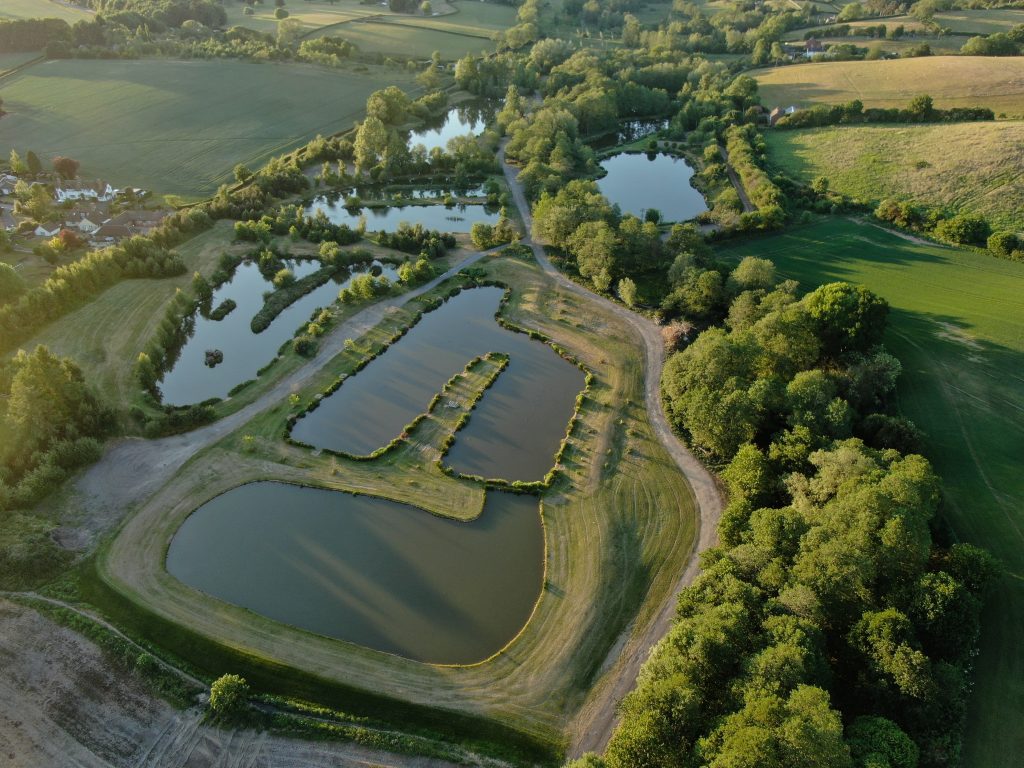
Birch House Lakes
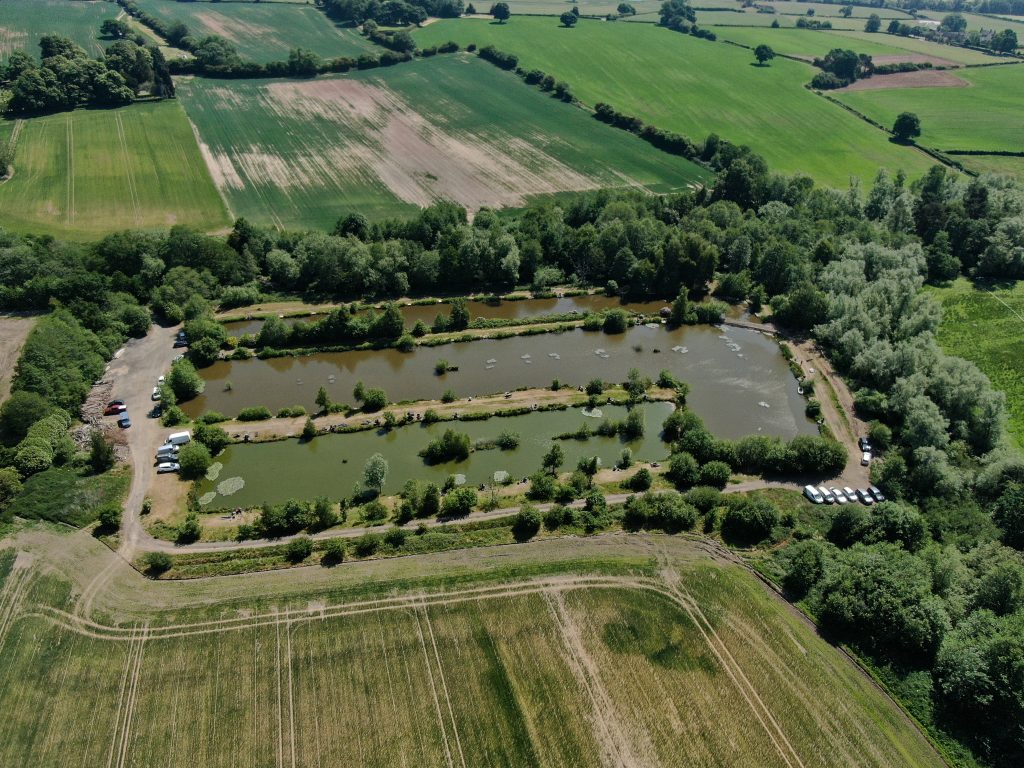
Large and varied pleasure and match fishery in Derbyshire with eight lakes and plenty of car parking near the waters. Stocked with carp to mid 20lbs and bream to 10lbs.
Birch House Lakes facts and features
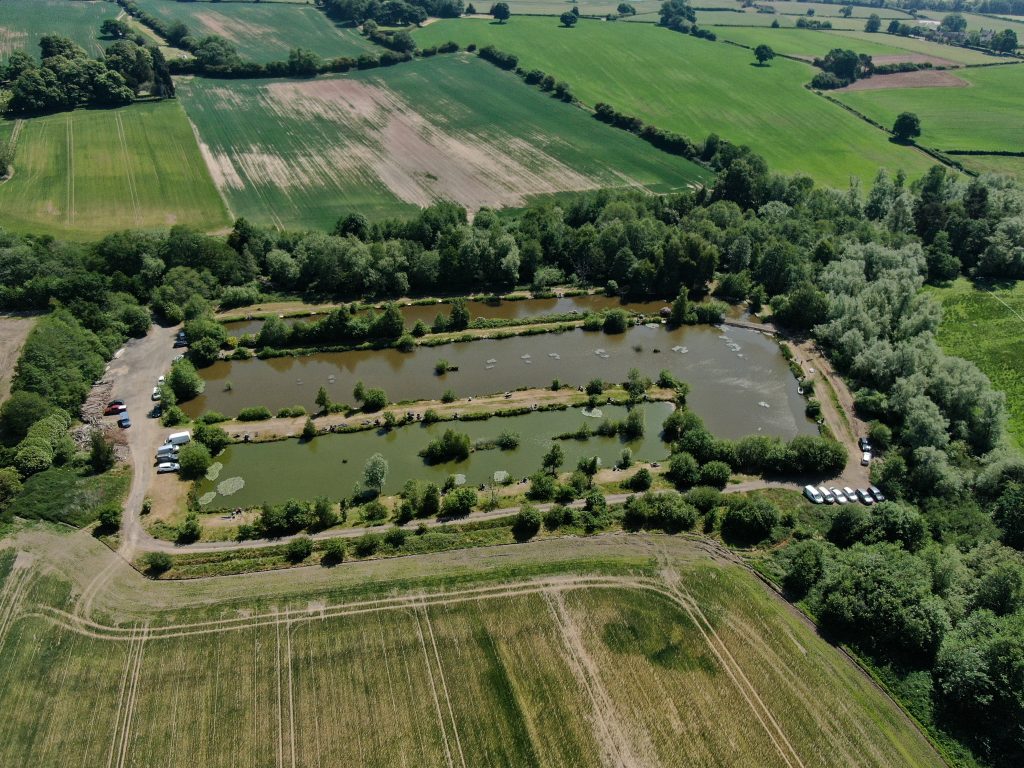
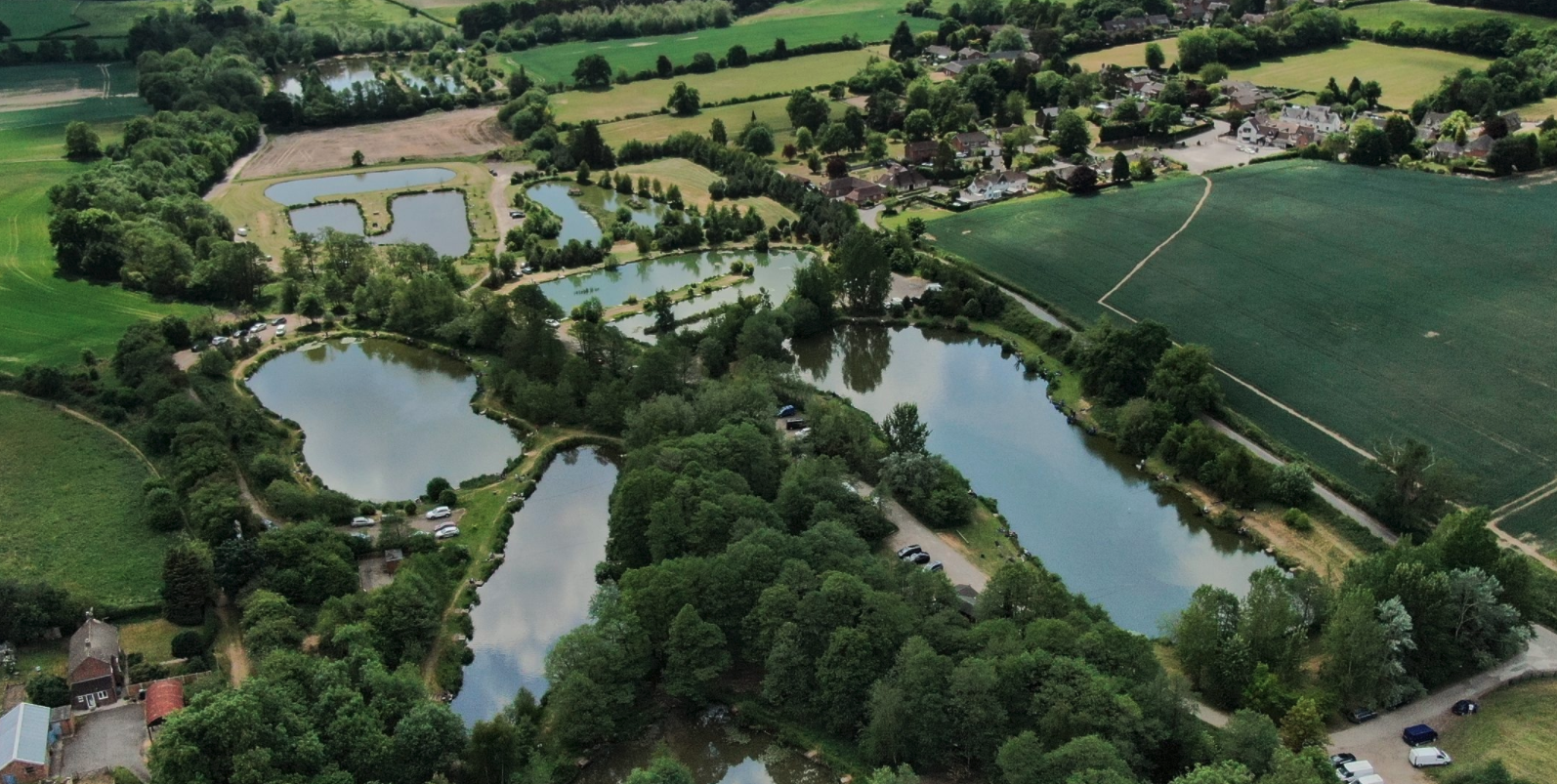
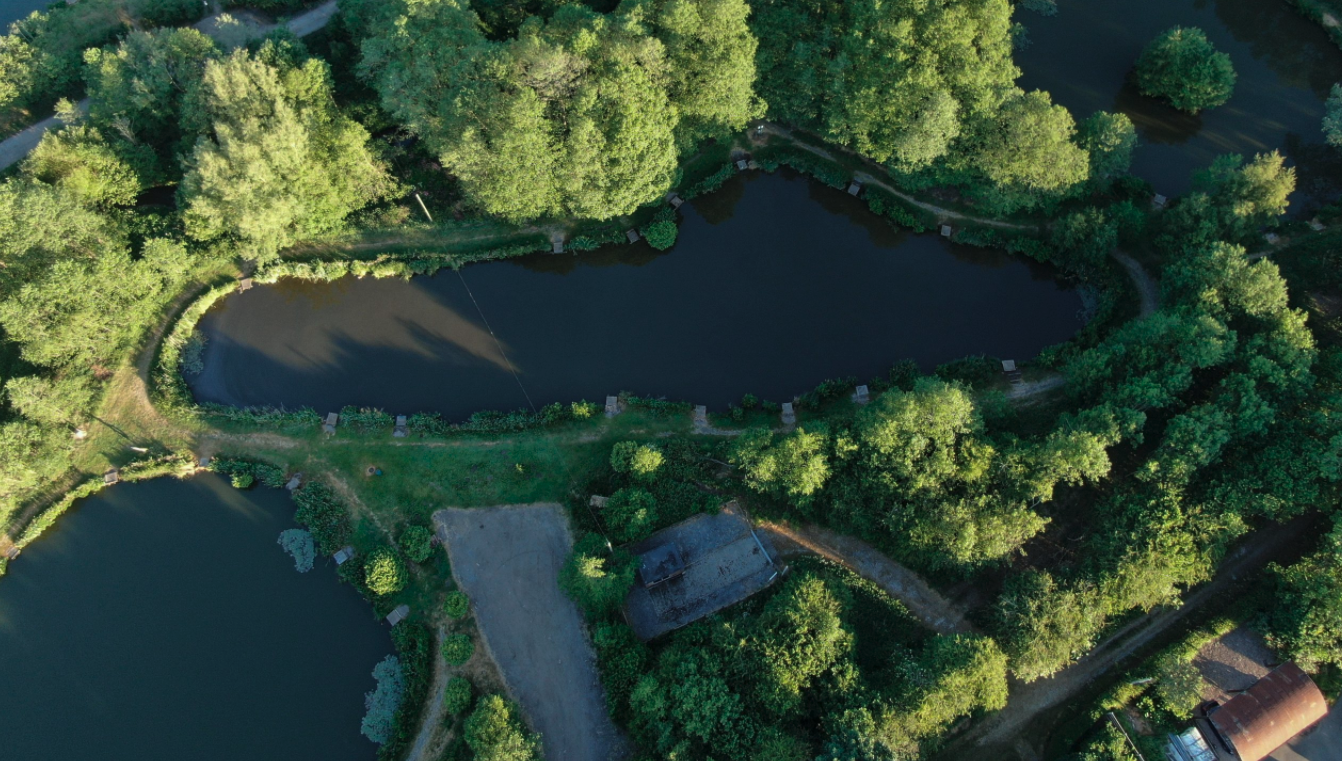
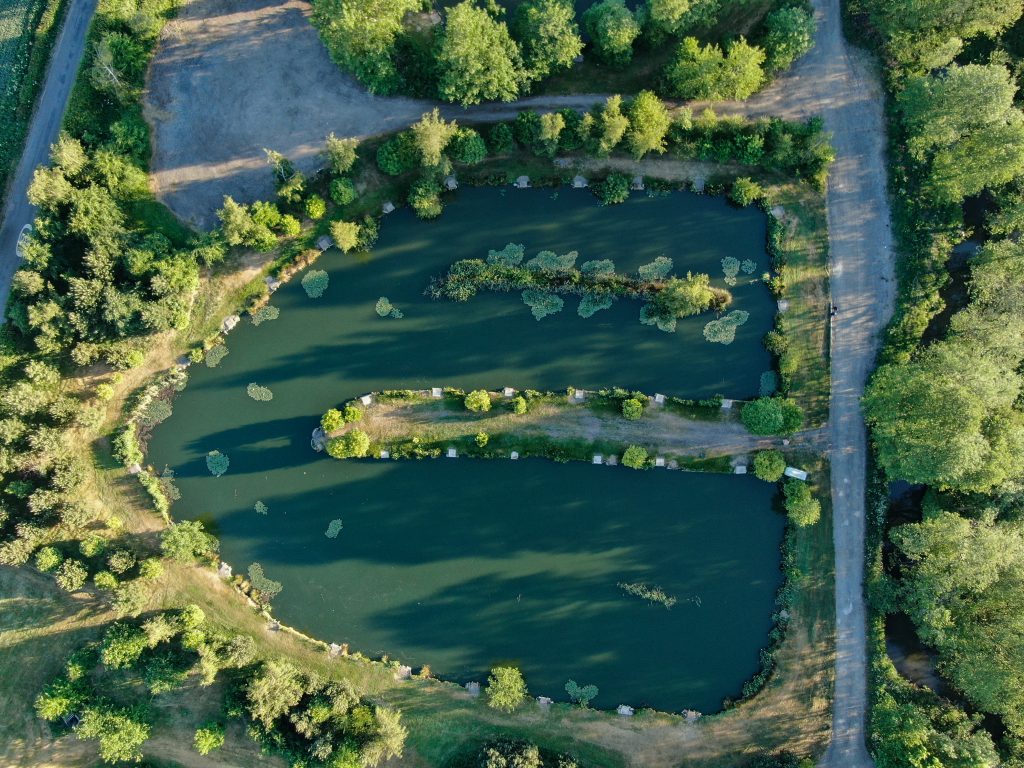
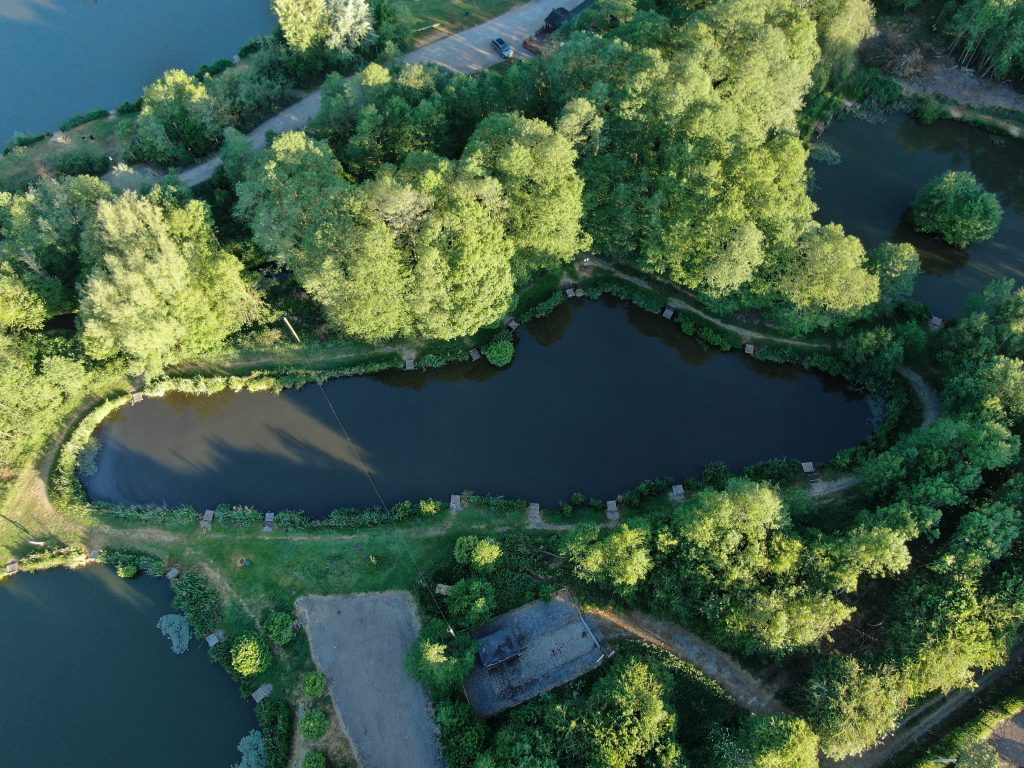
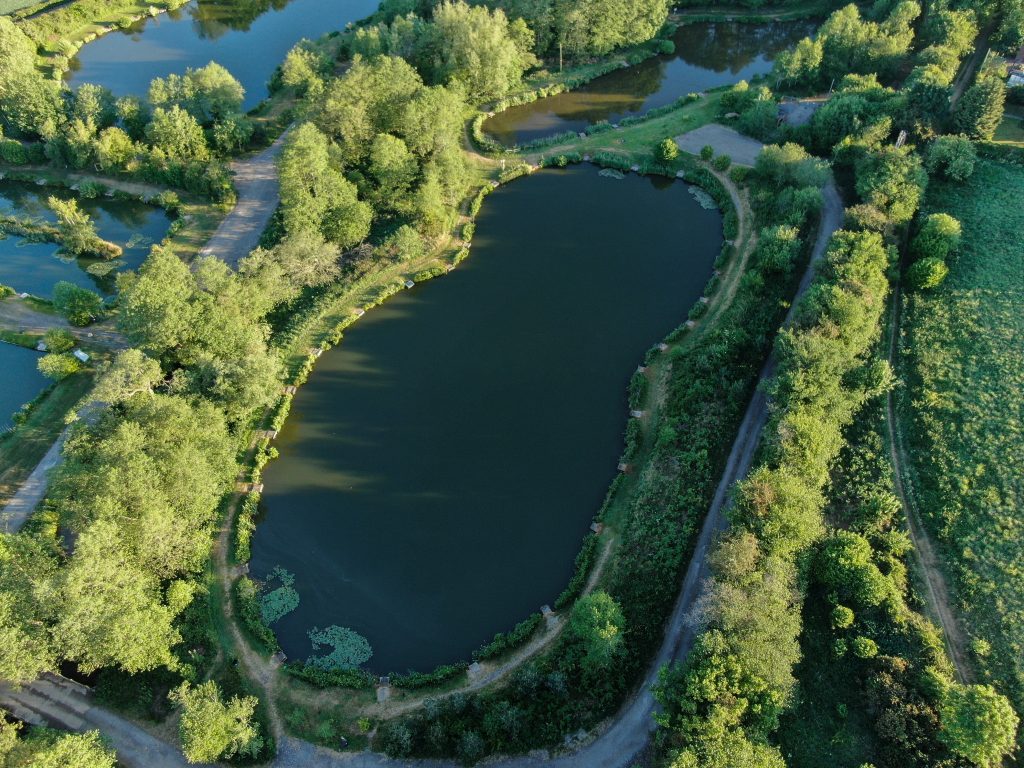
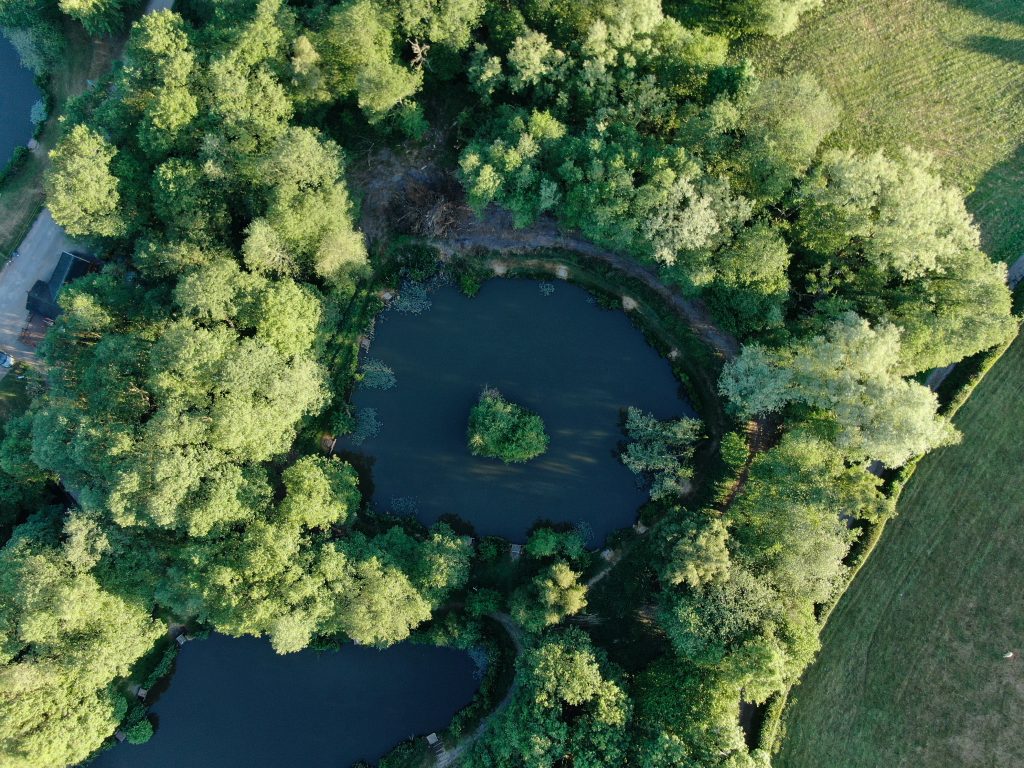
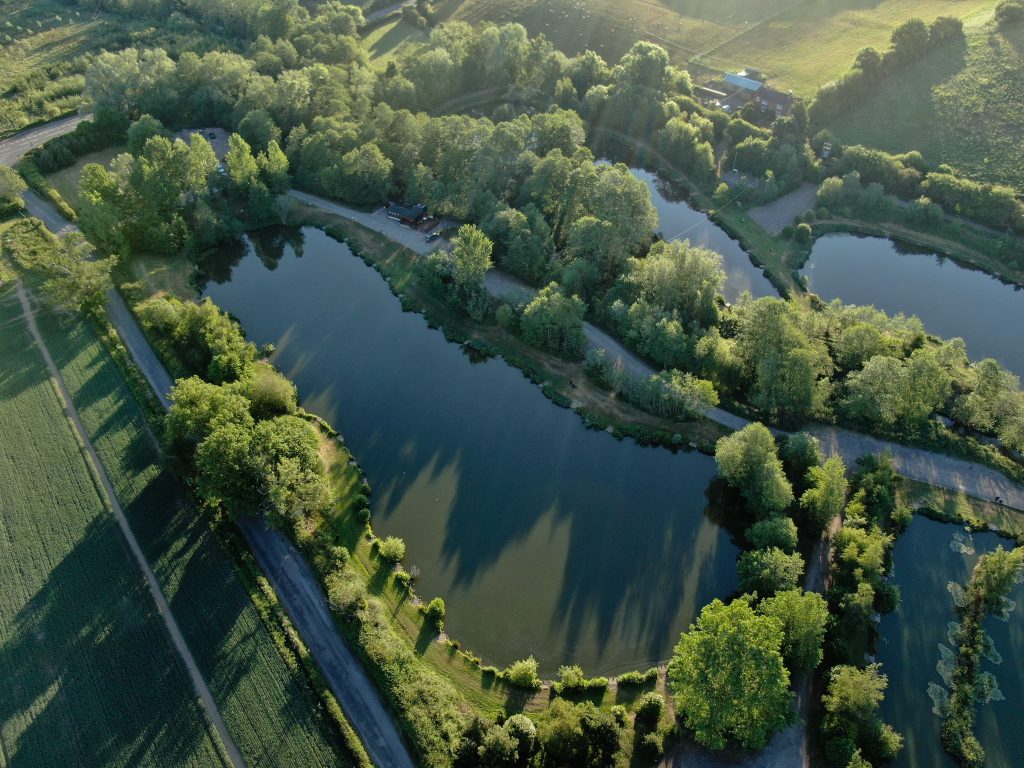
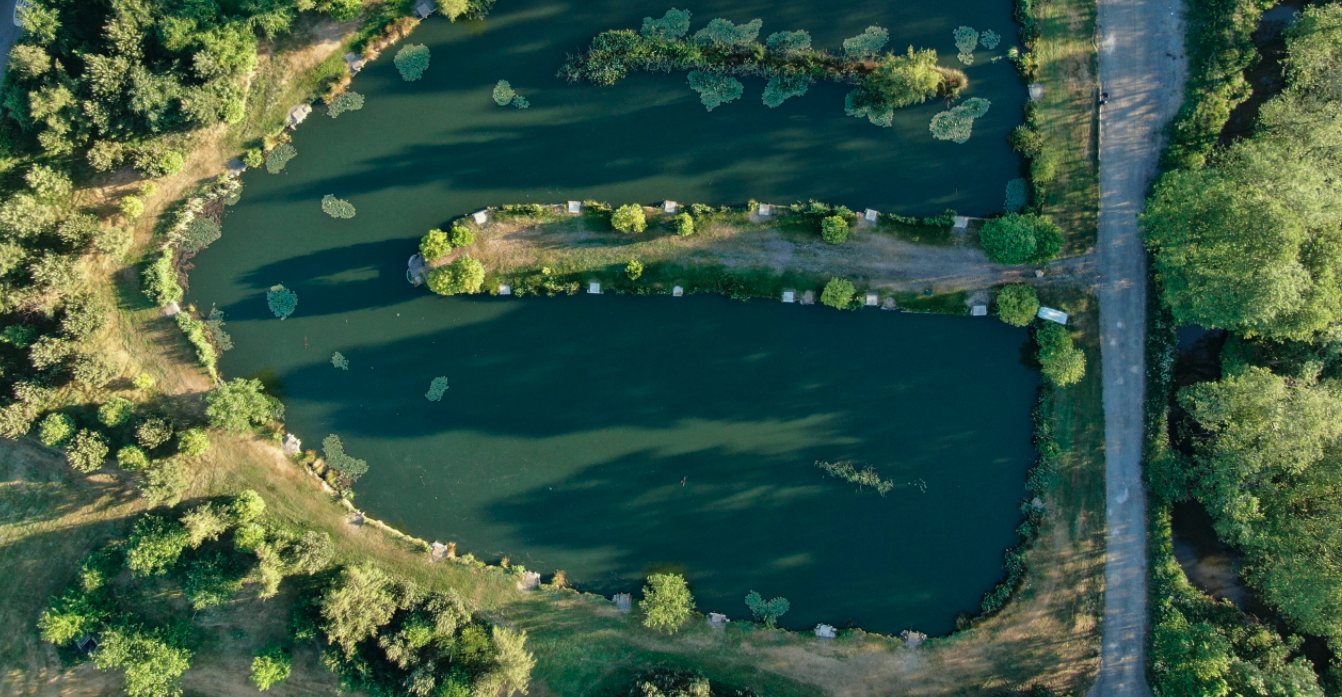
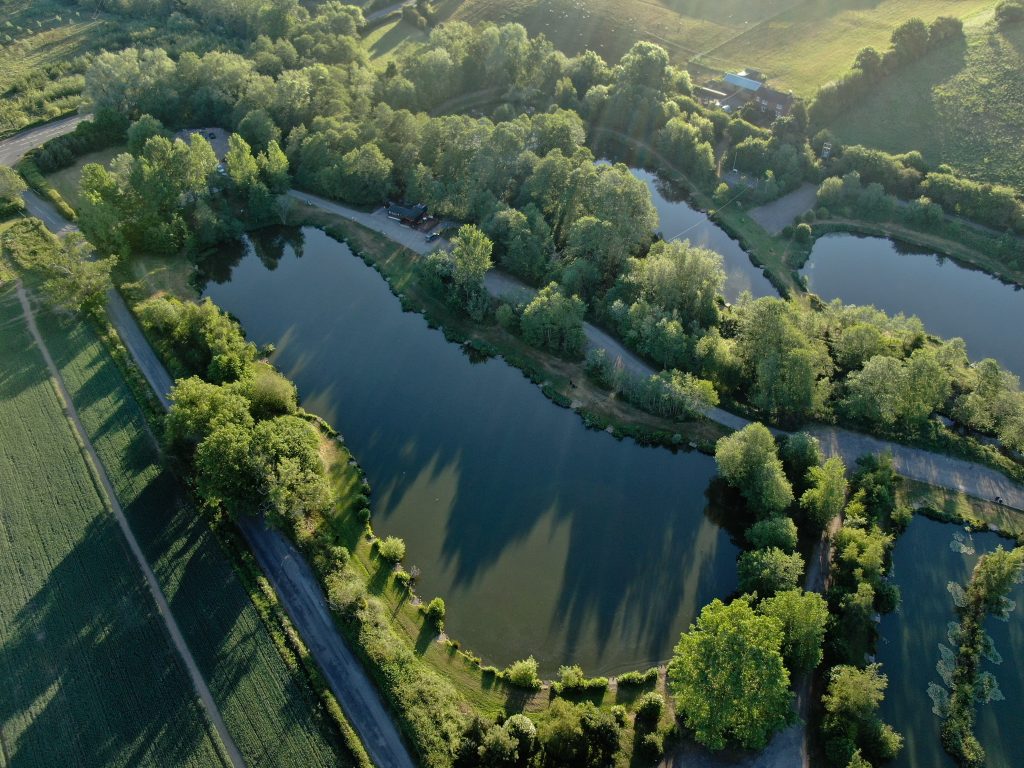
It is a sign of the success of Birch House Lakes that a fishery which started off as one small pool some 30 years ago now boasts nine lakes and 14 acres of water – with room to spare for the possible addition of other waters in the next few years. Part of an 800-acre arable farm which produces potatoes and cereal crops, the fishery itself now provides a mix of pleasure and match angling on new and established waters which should appeal to most anglers.
Great facilities onsite
With plenty of car parking space, Birch House Lakes has a small fishing lodge where hot egg, bacon or sausage sandwiches plus tea, coffee and cold drinks are served from 10.00am until 2.00pm in summer, as well as selling baits such as sweetcorn and pellets whenever the lodge is open. There is also a ladies and gents flushing loo. Birch House Lakes has the added advantage that most of the waters are suitable for disabled anglers whilst bailiff Pat is always on hand to offer help and advice.
The fishery is open from 6.00am until 6.30pm in summer and from 7.00am until 5.30pm in winter.
Excellent all round fishery
Although Birch House Lakes probably won’t appeal to out-and-out specimen carp hunters as it does not allow night fishing or the use of boilies, tiger nuts, chickpeas, cat and dog meat or loose feeding of floating baits, there are carp well into double figures in Kingfisher Lake and to mid 20s in Osprey, whilst many rank and file mid-sized fish are caught weighing well into double figures.
Kingfisher Lake at Birch House Lakes
Kingfisher Lake used to hold the venue’s match record which was set by Derby angler Ian Redfern who took 116lbs from Peg 16 fishing the pole in the margins. Whilst this may not be an earth-shattering catch by some standards, Ian still gets ribbed that he lost as many fish as he landed. However, a new Kingfisher match record was set at the end of 2018 and now stands at 203lbs.
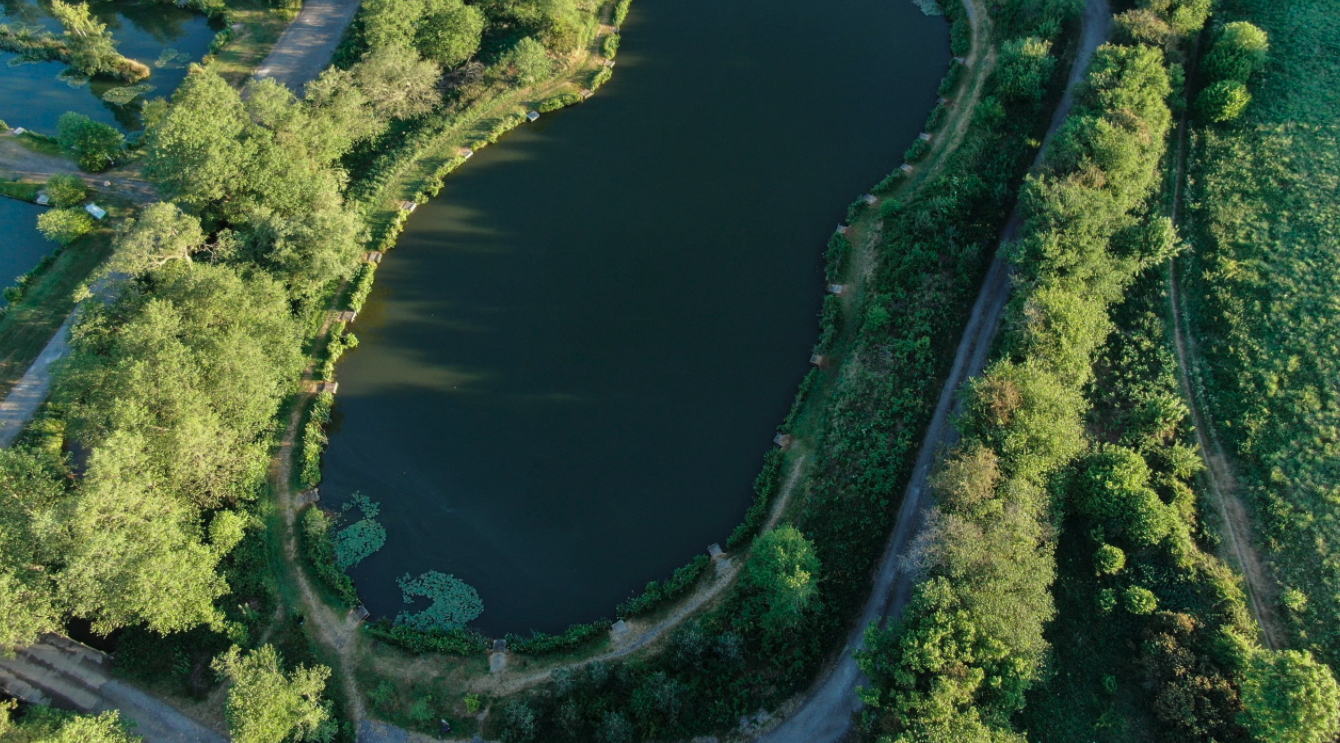
The venue’s match record, however, is now held by the relatively new Horseshoe Lake which was set in October 2018 at 298lbs. The previous venue match record was also set in Horseshoe at 169lbs in 2014. The biggest match weight to come from Heron currently stands at 120lbs which was set with a mix of carp and silverfish in autumn 2018.
Proving popular is the Horseshoe Lake which opened early in 2007 and is providing exciting sport on pole and waggler. Although only stocked in August 2006, it can be relied upon to produce some decent pleasure weights with nets of 100lbs-plus being regularly taken and weights in excess of 300lbs not uncommon. Another feature of Birch House Lakes is a large 80-peg canal-style Mallard and Teal predominantly silverfish waters which are ideal not only for those who want to stay clear of carp but being a quarter-mile drive along the main access road from the entrance is also ideal from those who want to get away from other anglers.
Buzzard Lake
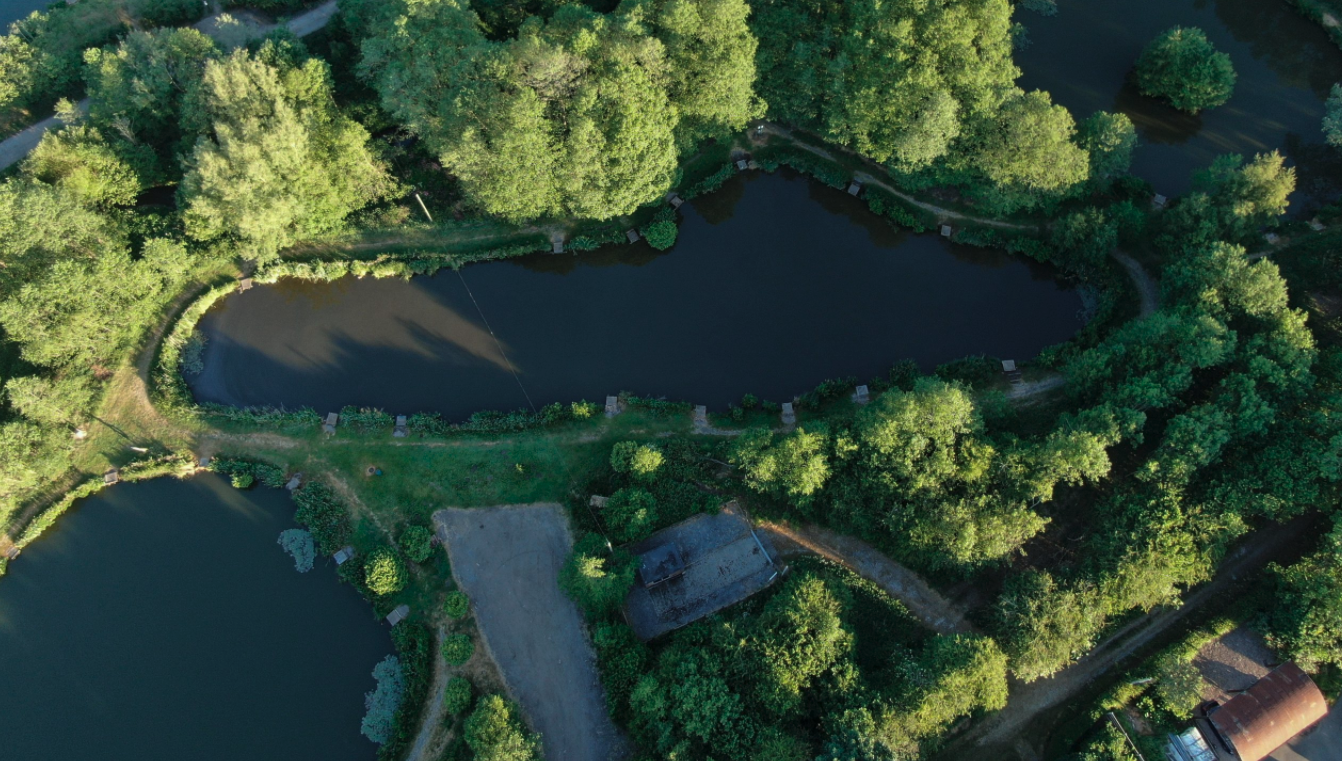
A recent addition to the Birch House waters is Buzzard Lake (left) which came on stream in 2011 and now holds a mass of smallish carp to 6lbs which are growing on well. The water also holds roach and rudd to about 1lb. This is an easy water to fish and is ideal for ‘dads and kids’ as youngsters can be virtually guaranteed to catch fish after fish after fish. The match record for Buzzard currently stands at 156lbs.
General rules
Day ticket prices are charged per rod with a maximum of two rods per angler. Keepnets are only allowed in matches. The only baits which are not allowed are boilies, tiger nuts, chickpeas and cat and dog meat. Anglers should note however that when fishing floating baits they should not throw in free-floating offerings as these can interfere with other anglers’ swims.
Lake One - Kingfisher
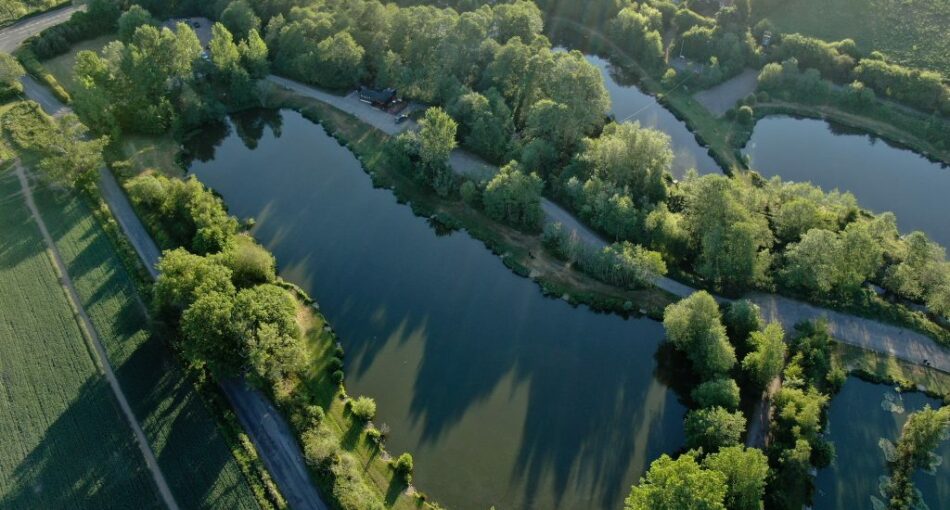 The Mirror and Common Carp run to over 20lb in Kingfisher Lake
The most popular water at Birch House Lakes, Kingfisher is about two acres in size and holds 35 pegs. The nearest water to the car park next to the Fishing Lodge, it holds a comprehensive range of fish and is suitable for all styles of fishing. Kingfisher is shallowest at each end of the lake where there is an abundance of water lilies in about four feet of water. A ledge runs around the whole lake before the banks slope gently down to a maximum of about seven feet along the centre.
Good techniques that catch on Kingfisher
In summer, margin fishing with floating bread or dog biscuits is popular all the way round the lake, although anglers are not allowed to lose feed floating baits as these can drift into other anglers swims. A popular pole and waggler water, Kingfisher is also a good water to fish the swim feeder or Method feeder in the deeper water. During the mornings most anglers tend to fish on the bottom and come up in the water in the afternoon catching fish at only a foot below the surface.
When doing this, anglers obviously need to loose feed little and often with hook samples and free offerings to keep the fish in their swim. Pole anglers tend to fish eight to 10 metres out using anything between a 10 and 20 elastic to a 6lb breaking strain line and 4lb bottom length and size 12 to 18 hook. Similar weight tactics are used by waggler anglers.
Most popular baits on Kingfisher
Most popular baits on Kingfisher are Ringers 4mm-6mm ‘bag-up’ pellets, yellow sweetcorn and pop-up sweetcorn fished a couple of inches off the bottom and luncheon meat. Obviously, maggots and casters also work well although maggots can tend to attract the smaller fish which can be a nuisance until you attract the larger specimens into your swim.
Lots of double-figure fish
The biggest fish in the water are the common and mirror carp, the largest of which run well into double figures with plenty between 5lbs and 14lbs and a good number over 20lbs. The mirror carp are of a similar stamp to the commons although the biggest running to over 20lbs. Kingfisher is also stocked with a good head of F1 hybrids between 1lb and 1lb 8oz which can provide plenty of fun and a few crucians which go to over 2lbs.
For the silver fish angler there are roach and rudd averaging 12ozs but which run to 2lbs; perch anything from 2oz to 3lbs; bream to 8lbs – although there are known to be specimens in Kingfisher up to 10lbs – tench between 2lbs and 4lbs which rarely show and both golden and blue orfe between 12ozs and 1lb. There are also a handful of ghost carp.
Lake Two - Osprey
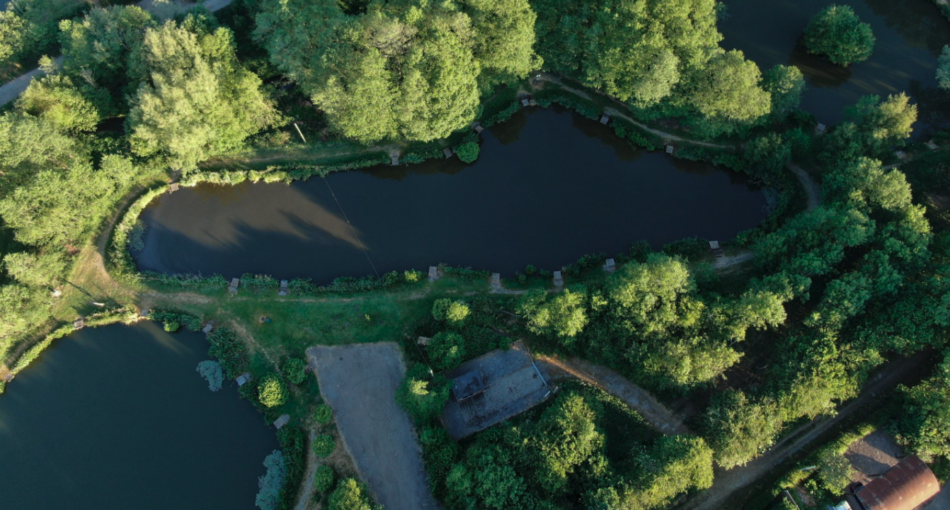 Osprey is more secluded than Kingfisher with a variety of pegs.
At three-quarters of an acre in size and with 14-pegs, Osprey is popular with anglers because of the large number of common and mirror carp it holds between 6lbs and 16lbs. The biggest to come out in recent years have weighed over 25lbs. There are also a few leather carp which run to 14lbs plus a head of tench between 2lbs and 4lbs, although these are not often caught.
With some lovely roach and rudd between 2oz and 1lb 8oz, bream averaging between 1lb and 2lbs but running to 5lbs and plenty of perch, there are plenty of fish for anglers to go at. Backed by trees and bushes along the bank which runs next to the stream and with plenty of bankside vegetation, Osprey is more secluded than Kingfisher with a variety of pegs.
Pegs to look out for
The end pegs, Pegs 1 and 14 and 7 and 8, are again the shallowest with beds of lily pads in summer offering features for the fish. As a result, these are usually the most popular pegs with depths in summer as shallow as 18 inches to two feet making it easy pole or waggler fishing. The remainder of the pool has a shelf running about two feet out into the water before the banks drop to about six feet in the middle.
Techniques and baits for fishing
Techniques for Osprey are largely much the same as for Kingfisher with most anglers opting for the pole, waggler or surface fishing with bread or dog biscuits. Some anglers, however, opt to fish the deeper water in the centre of the lake using an Arlesey bomb and waiting until their rod bends round before striking! Most popular general baits are pellets, yellow sweetcorn, luncheon meat, maggots and casters with summer anglers also finding that prawns, Peperami and tinned meatballs work well.
Lake Three - Heron
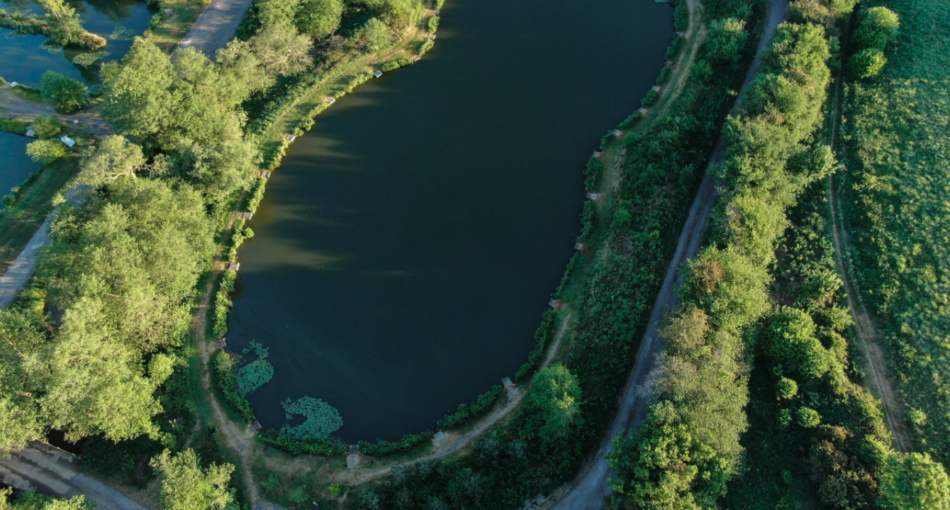 Floating baits are also popular in summer with dog biscuits and bread catching well on Heron
As with The Doughnut and Osprey lakes, Heron Lake is located behind the fishing lodge and is accessed by a footpath and bridge which takes anglers over the river. With some good-sized mirrors and commons well into double figures, Old English crucian carp to over 3lbs, bream to a reputed 8lbs, tench to 4lbs-plus, roach, rudd and F1 carp hybrids to 1lb 8oz, Heron is also home to a small number of ghost carp and goldfish.
Heron Lake – What is the depth?
About an acre in size, it has 28 pegs and again both ends of the pool are where the shallowest water can be found at about two feet with a maximum of six feet down the spine of the lake. Although Pegs 18, 19 and 20 in the corner used to be deep, these have now shallowed up and been colonised by lily pads which makes them very popular in summer.
What sort of fish to expect in Heron
The biggest fish to have come out of Heron so far was a 20lb-plus mirror carp taken from Peg 17 on waggler fished pellet whilst the average size of the commons and mirrors is generally between 5lbs and 14lbs. Heron is again popular on both the pole and the waggler with anglers occasionally fishing a feeder, bomb or method feeder.
Floating baits are also popular in summer with dog biscuits and bread the most popular baits. This can be a particularly effective method when fishing the margins on summer evenings, although anglers should remember that loose feeding floating offerings to attract the fish is not allowed as this can interfere with other anglers swims.
Horseshoe Lake
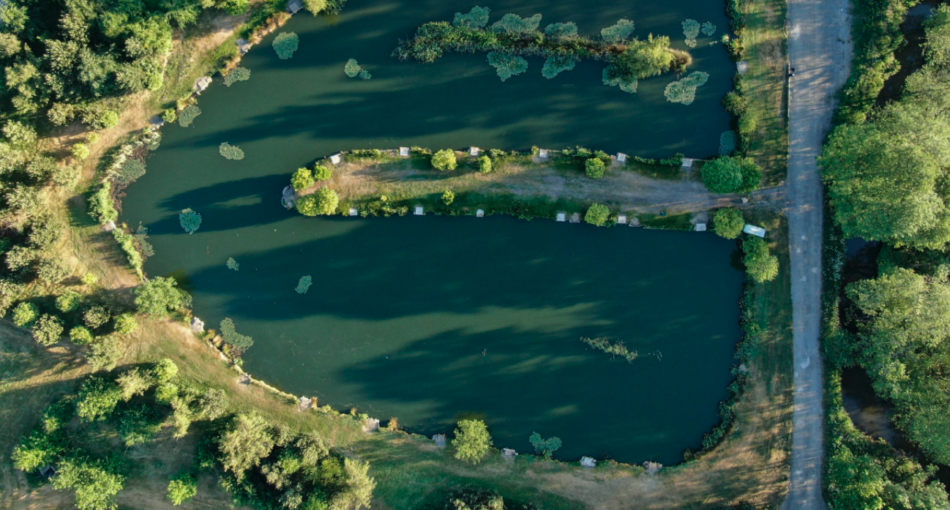
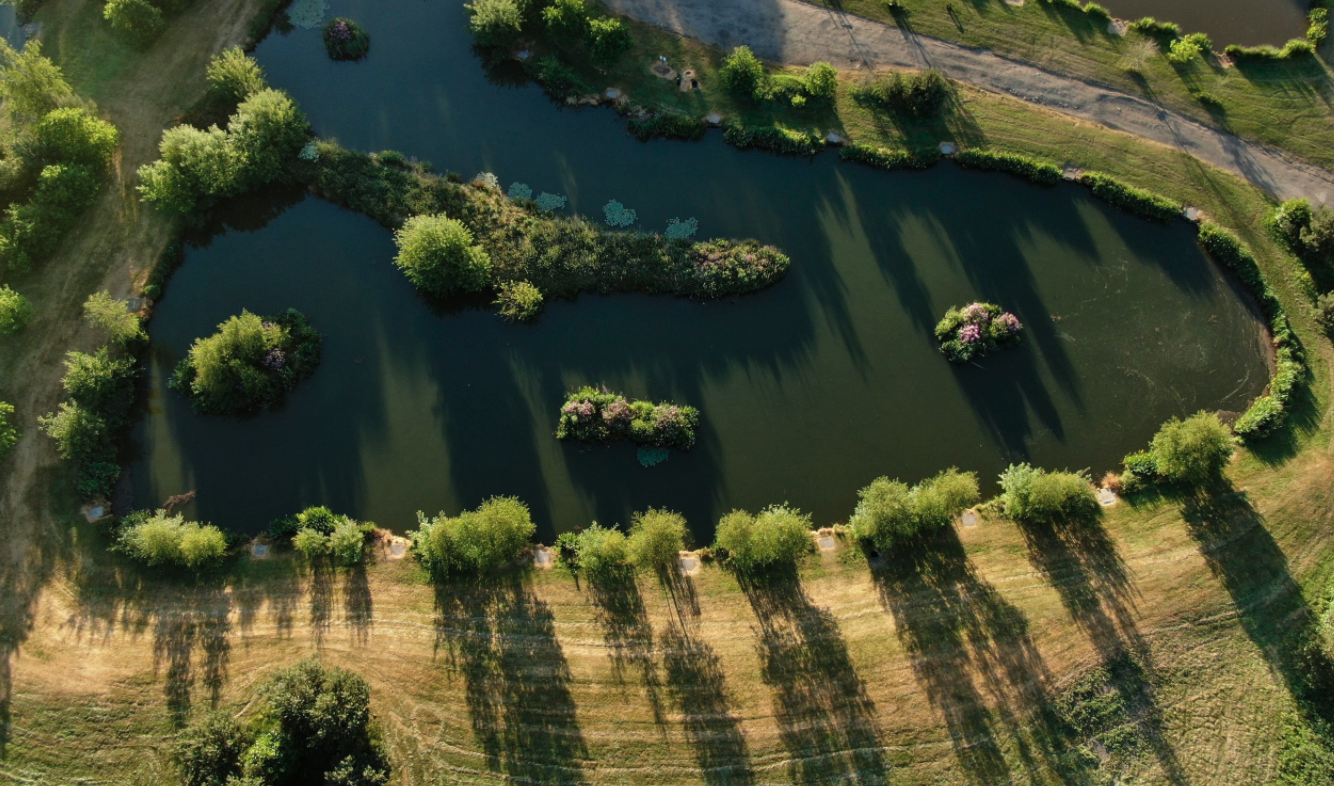
Opened in 2007, Horseshoe Lake is a popular water with anglers, particularly those who favour the pole. Dug in April 2006, it has been stocked solely with carp and holds an estimated two-and-a-half ton of commons and mirrors between 6oz and 20lbs-plus and a good head of F1 hybrids to about 1lb 8oz. There’s plenty of lily pads on Horseshoe Lake at Birch House LakeWith 36 concreted pegs set 10 metres apart, Horseshoe has been so designed that even when there are two matches on the lake there will still be room for pleasure anglers.
March record stands at stands 298lbs
The water got off to a good start when the first match to be held on it was won with 75lbs with 68lbs taking second place, 62lbs third place and 44lbs fourth place. Between them the 20 anglers who fished the event caught over 300lbs of fish. The match record, set in October 2018, now stands at 298lbs – the biggest match catch to be taken at Birch House Lakes – whilst pleasure weights of between 300lbs and 400lbs of fish are not uncommon.
Lake features
Horseshoe has banks which slope at 45 degrees down to the bottom where anything between six and 12 feet of water can be found. Most popular technique so far tends to be to fish the pole about halfway down the slope although on nearly all pegs it is possible to reach the opposite bank with a 12-metre pole. With four islands planted with lily pads, Horseshoe Lake has its own car park with space for 25 vehicles and promises to become a favourite with club anglers. Most popular baits so far have tended to be sweetcorn, pellets and maggots.
The Doughnut
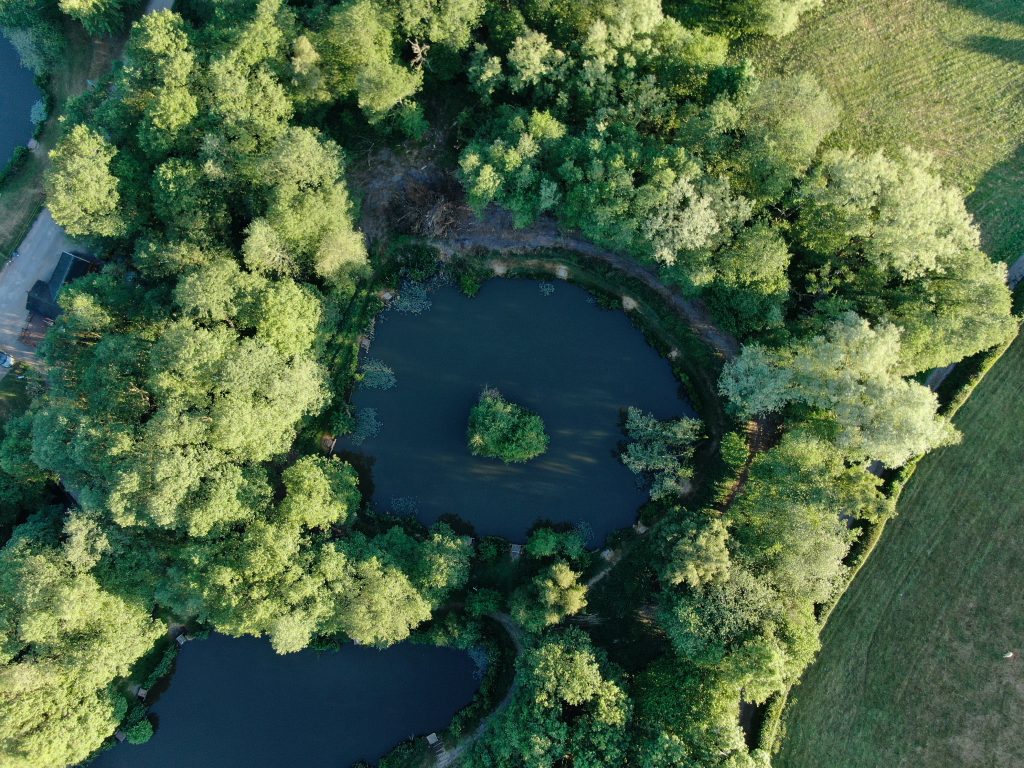
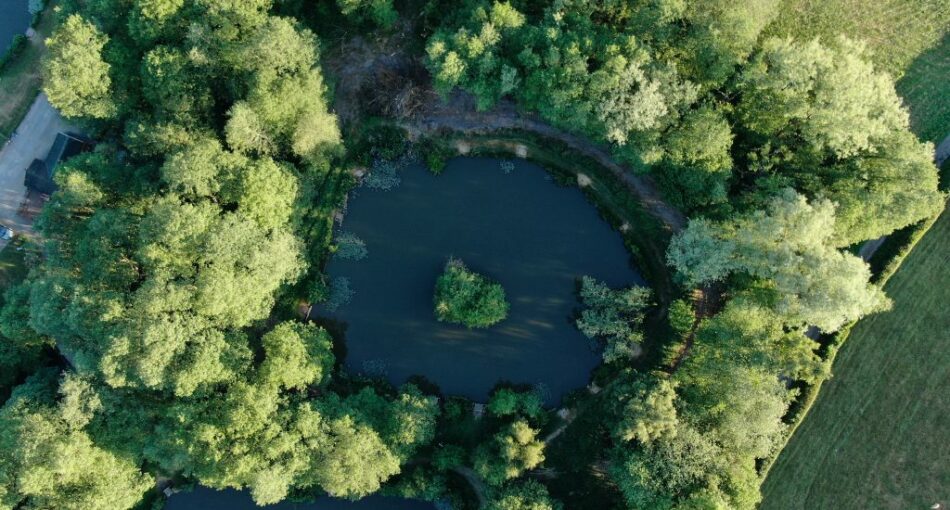 Doughnut has a central island and is about four feet deep around the edges.
Despite being the smallest of all the Birch House Lakes waters, the 12-peg Doughnut still holds some decent sized carp with commons and mirrors to 16lbs being caught. Stocks have been supplemented with more than 9,000 small carp which have grown on nicely. As its name implies, The Doughnut is roughly circular in shape with a central island and is about four feet deep around the edges and around the island with up to seven feet being found in the remainder of the water.
A great place for novices, children and anglers looking to try out new techniques or baits, The Doughnut is one of those waters where you can’t help but catch fish all day if you use maggots. Developed originally as an irrigation pool for the farm, The Doughnut is the oldest water on the Birch House complex and is ideal for pole or waggler fishing with maggots, casters, sweetcorn, luncheon meat all being reliable baits and bread and dog biscuits again good as floating baits.
Buzzard
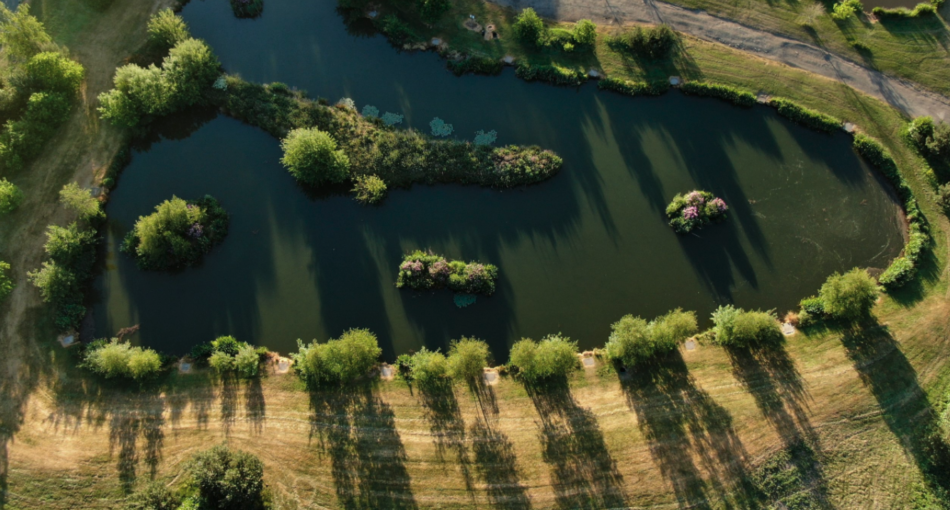 The match record on Buzzard, set in 2018, stands at 156lbs.
About two-thirds of an acre in size, Buzzard was stocked at the beginning of 2011 and opened for fishing in 2012 when further fish were added to boost stocks. With 21 pegs it now holds a good head of mirror, common and F1 carp between 4oz and 3lbs as well as good numbers of roach and rudd around the 8oz mark. About three-quarters of the fish are carp. Whilst most anglers fish the pole, Buzzard is also a decent waggler water with banks which slope at 45 degrees and an average depth of between six and seven feet, although in parts it drops to as much as nine feet.
Popular baits on Buzzard
Because the fish in Buzzard are still small they tend to eat anything they can get in their mouths, making sweetcorn, soft hooker pellets, small pieces of luncheon meat, chopped worm and maggots popular baits. Also, because the fish are so easy to catch, Buzzard is an ideal water for parents with children who are interested in taking up fishing. As with any water it pays to feed little and often to get the fish going and to hold them in your swim, but Buzzard is one of those waters where anglers tend not to measure their catches by weight but by the number of fish caught – which usually runs to over 100 in a typical four-hour session! The match record, set in 2018, stands at 156lbs.
Mallard and Teal Lakes
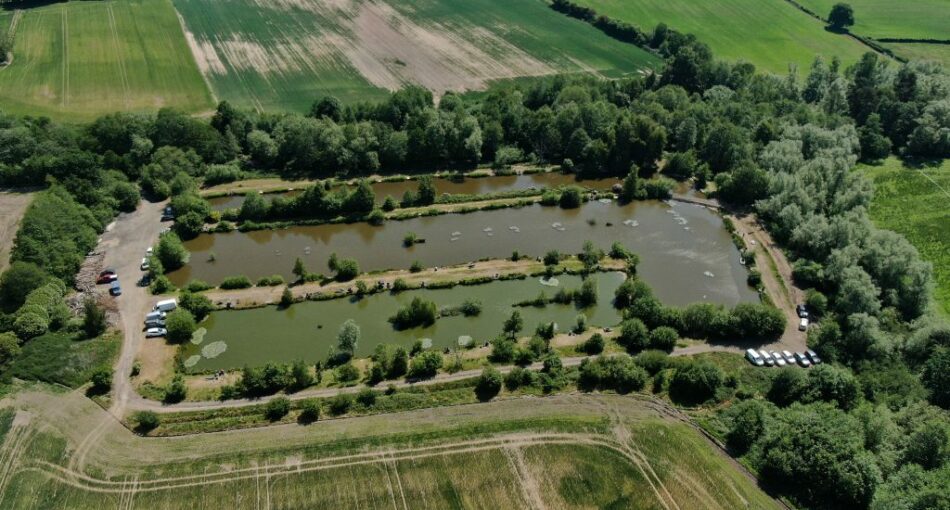 Mallard and Teal run between four and eight feet deep and are great year-round waters.
Also known as the Silver Fish Lakes at Birch House Lakes, Mallard and Teal tend to be regarded as one water as they are both canal-style venues ideally suited for pole fishing. However, the larger of the two – the three canal 55-peg Mallard Lake – has a large rectangular bay at one end which also makes it suitable for either waggler, swimfeeder or straightforward ledger fishing. Teal has a total of 21 pegs.
In addition to a few errant carp, both waters are heavily stocked with a selection of silver fish. These include roach and rudd to 1lb 8oz, bream to 8lbs, perch between 8oz and 1lb, chub to about 1lb, green and golden tench to about 2lbs and both blue and golden orfe and ide. Although there are a small number of common and mirror carp in the water, the only other carp tend to be crucians, some F1 hybrids and goldfish.
Offering a total of just under 80 concreted pegs, Mallard and Teal run between four and eight feet deep and are great year-round waters which particularly come into their own in winter. Both are ideal match and pleasure venues and although not particularly popular because of the current trend for carp fishing are two places where those who do fish them tend to bag up. Equipped with their own toilets and car park, Mallard and Teal also have the attraction for anglers who enjoy solitude that, being at the far end of the Birch House site, they are normally quieter than the other lakes – except on Sunday mornings when the nearby church bells announce the morning services!
Dove
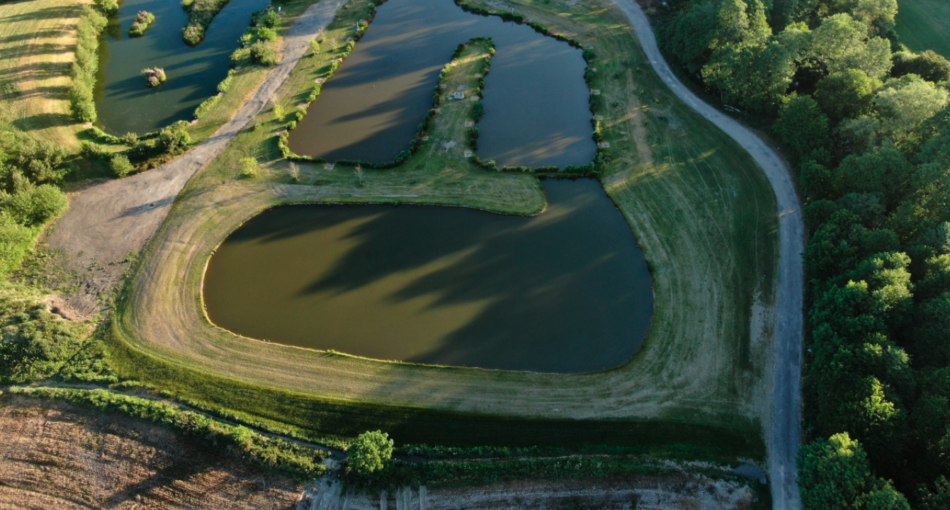 Dove has not been fished by many Anglers, but contains a good head of fish.
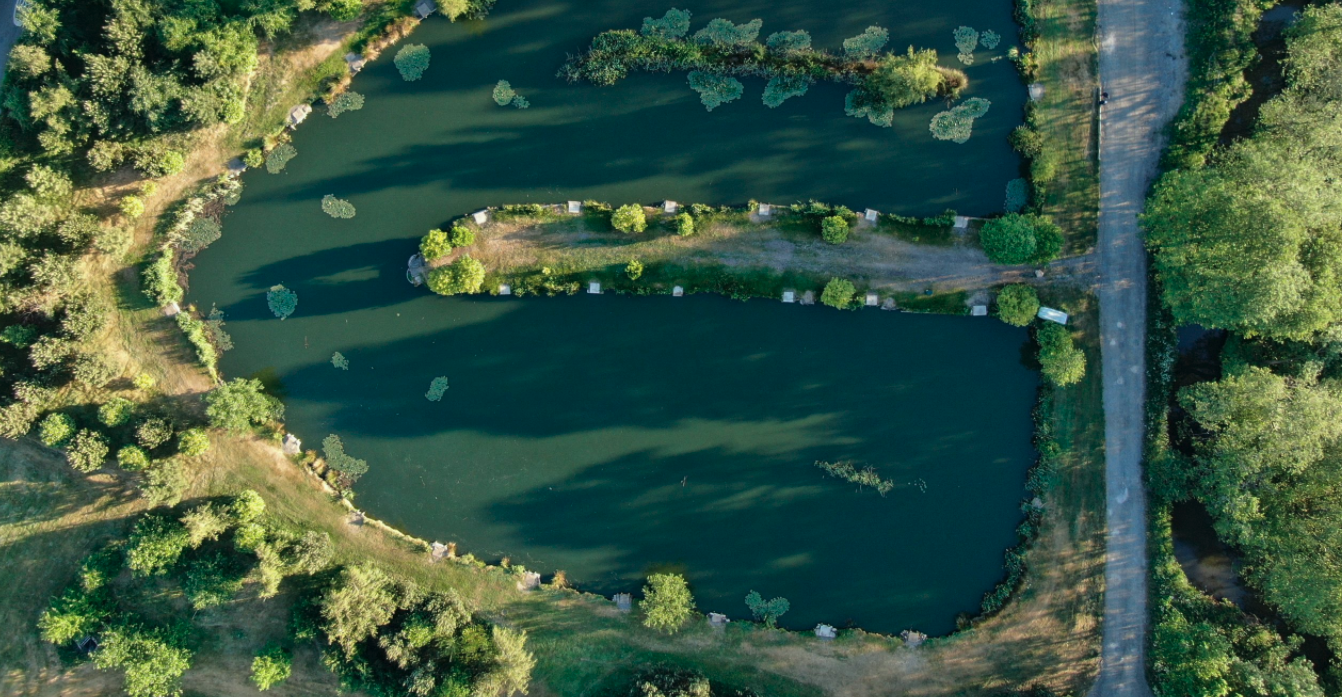
Birch House Lakes has opened a new 30-plus peg mixed fish water, The Dove, which can be found to the left of Horseshoe Lake. Cars can be parked on the roadway near the lake. Fairly shallow with depths varying between two and five feet, it has been stocked with mirrors, commons, bream, skimmers, roach and rudd. One of the main features of the water is a peninsula which runs out into the lake. Because it has not been fished by many anglers – probably because they don’t know that it exists – it is not known which techniques or baits work best yet.
Prices
Matches are charged at £7.50 per peg. A maximum of two rods per angler are allowed. Children under 15 must be
accompanied by an adult at all times. Keepnets are only allowed in matches.
Day tickets prices |
Adults | OAP / Disabled | Juniors under 15 | One rod |
|---|---|---|---|
|
|
|||
|
7.00
6.00
5.00
|
|||
| One rod | 7.00 | 6.00 | 5.00 | Two rods |
|
|
|||
|
10.00
10.00
10.00
|
|||
| Two rods | 10.00 | 10.00 | 10.00 |
How to get there
You may also be interested in
If you like the look of this fishery, you may also be interested in other fishing lakes and fisheries nearby in Derbyshire such as Blake Hall Fisheries, and Hamstall Pleasure Fishery in nearby Staffordshire.








Comments